
Weather 101 / Winter
Ice Storms: Why Freezing Rain Is Winter's Most Dangerous Weather
A foot of snow gets the headlines, but many forecasters will tell you an ice storm can do more damage. Freezing rain coats everything in a glaze of ice: trees, wires, cars, steps and roads. In New Jersey, where storms often sit right on the line between rain and snow, ice is a real threat most winters.
How freezing rain forms
Freezing rain happens when snow falls into a layer of warm air high up, melts into rain, and then falls through a thin layer of cold air near the ground. The drops don't have time to refreeze in the air, so they land as liquid and freeze on contact with anything at or below 32°. Our article on the rain-snow line explains why New Jersey sees so much of this.
Why a little ice does a lot of damage
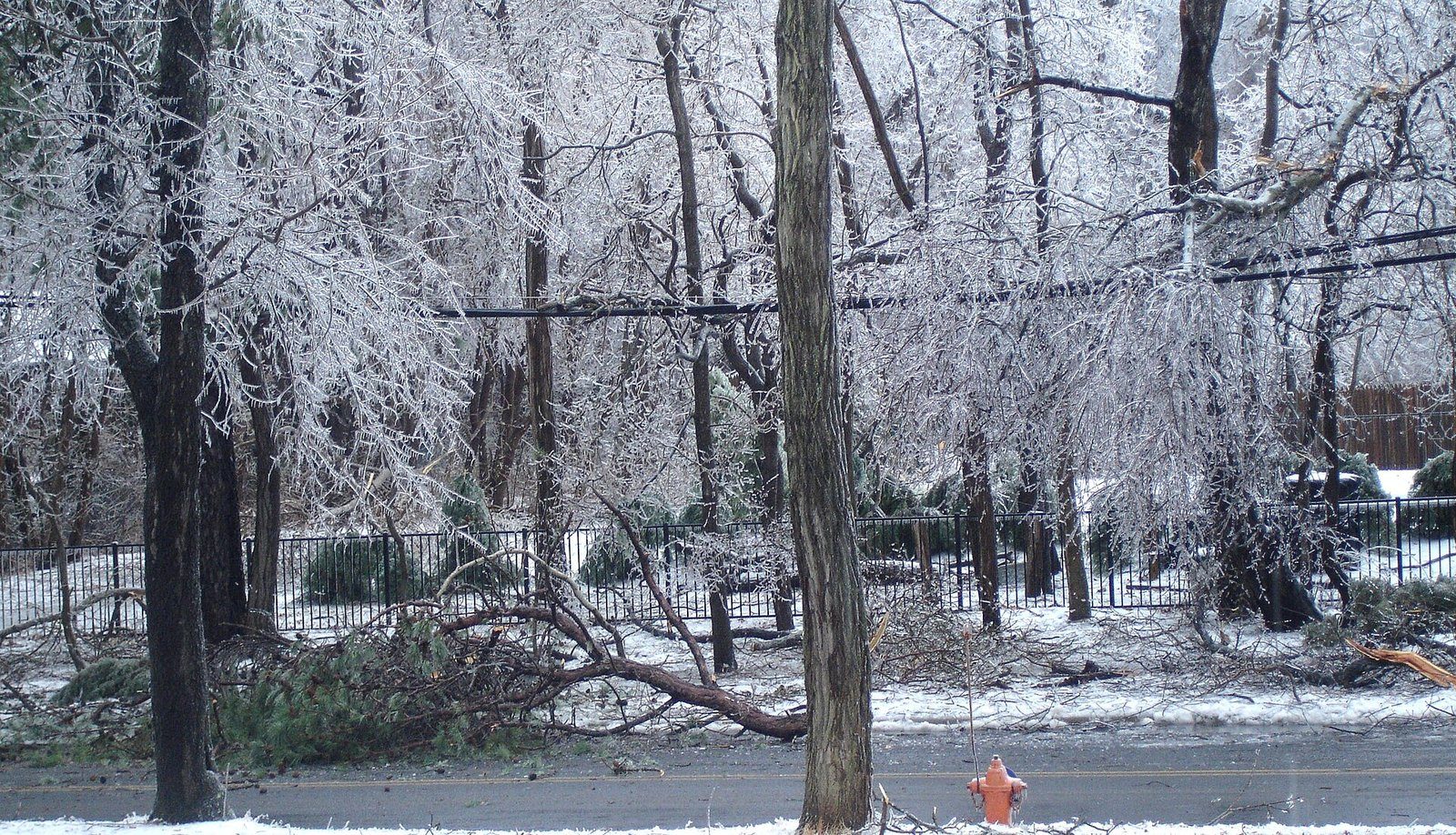
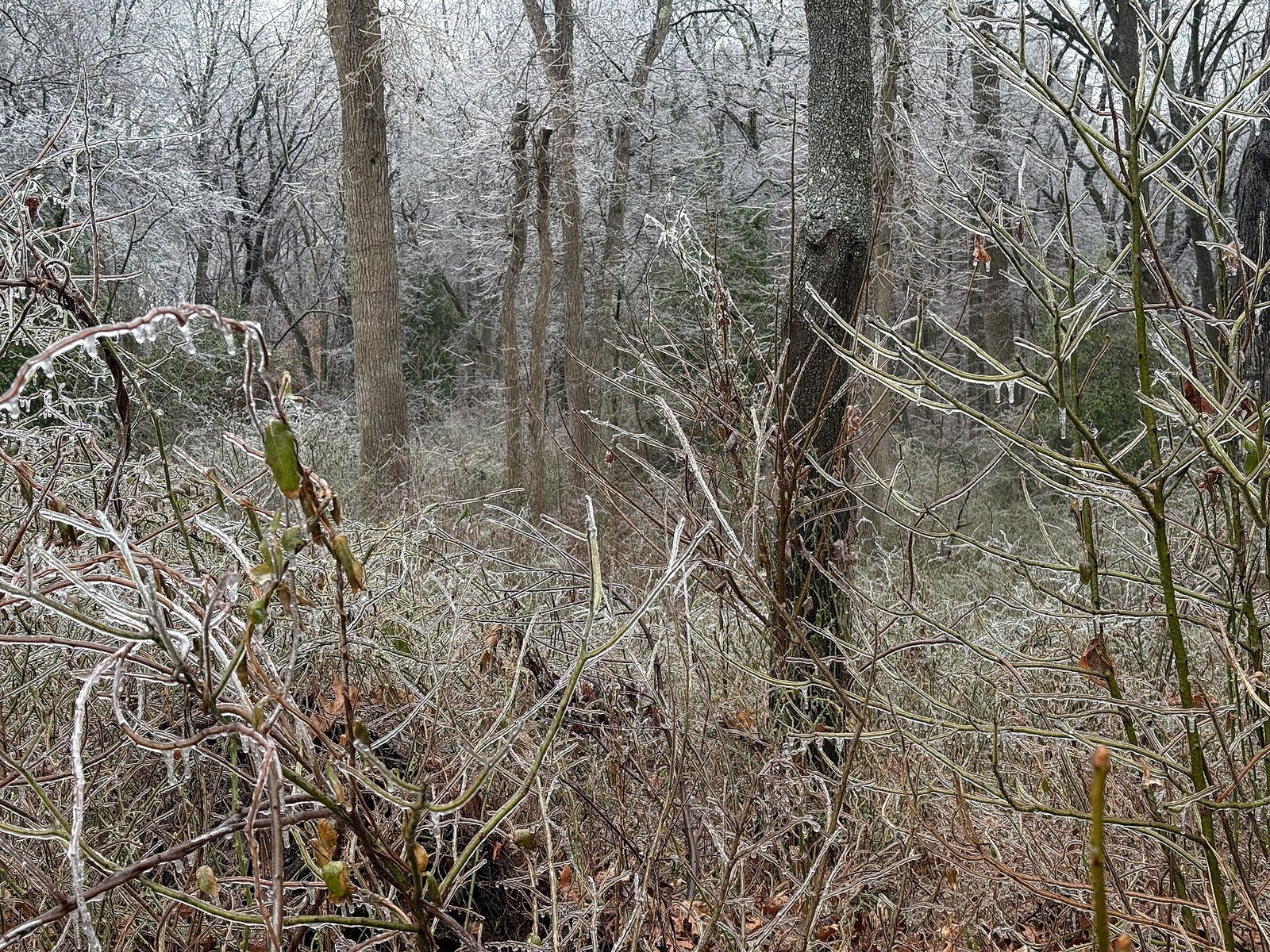
Ice is heavy. As it builds up on branches and wires, the weight adds up fast. Even about a quarter inch of ice can bring down tree limbs and power lines and cause widespread outages, and the problem gets worse with wind. Roads, bridges, sidewalks and steps turn into sheets of glaze that are hard to see, especially at night.
The alerts
- Winter Weather Advisory: light icing is expected, enough to make roads and walkways slick.
- Ice Storm Warning: enough ice is expected to cause damage and outages, typically around a quarter inch or more. The exact amount that triggers a warning varies by National Weather Service office.
- Winter Storm Warning: heavy snow, sleet and ice together.
How to get ready
- Charge your phones and batteries, and have flashlights ready in case the power goes out.
- Stay off the roads if you can. Bridges and overpasses freeze first.
- Stay away from downed wires and assume they're live. Report them to your utility.
- Don't run generators, grills or heaters meant for outdoors inside your home or garage.
- Walk carefully: take small steps and keep your hands free.
- NWS Northern Indiana: sleet vs. freezing rain
- NWS Raleigh: winter weather warning criteria (example of office criteria)
- FOX Weather: things to know about ice storms
For dangerous weather, always follow official National Weather Service warnings and your local emergency officials.