
Weather 101 / Storms
What Is a Nor'easter, and Why New Jersey Gets So Many
If you've lived in New Jersey through a few winters, you've lived through a nor'easter. They're behind most of our biggest snowstorms and our worst coastal flooding outside of hurricanes. The name sounds like it's about where the storm comes from, but it's actually about the wind.
Where the name comes from
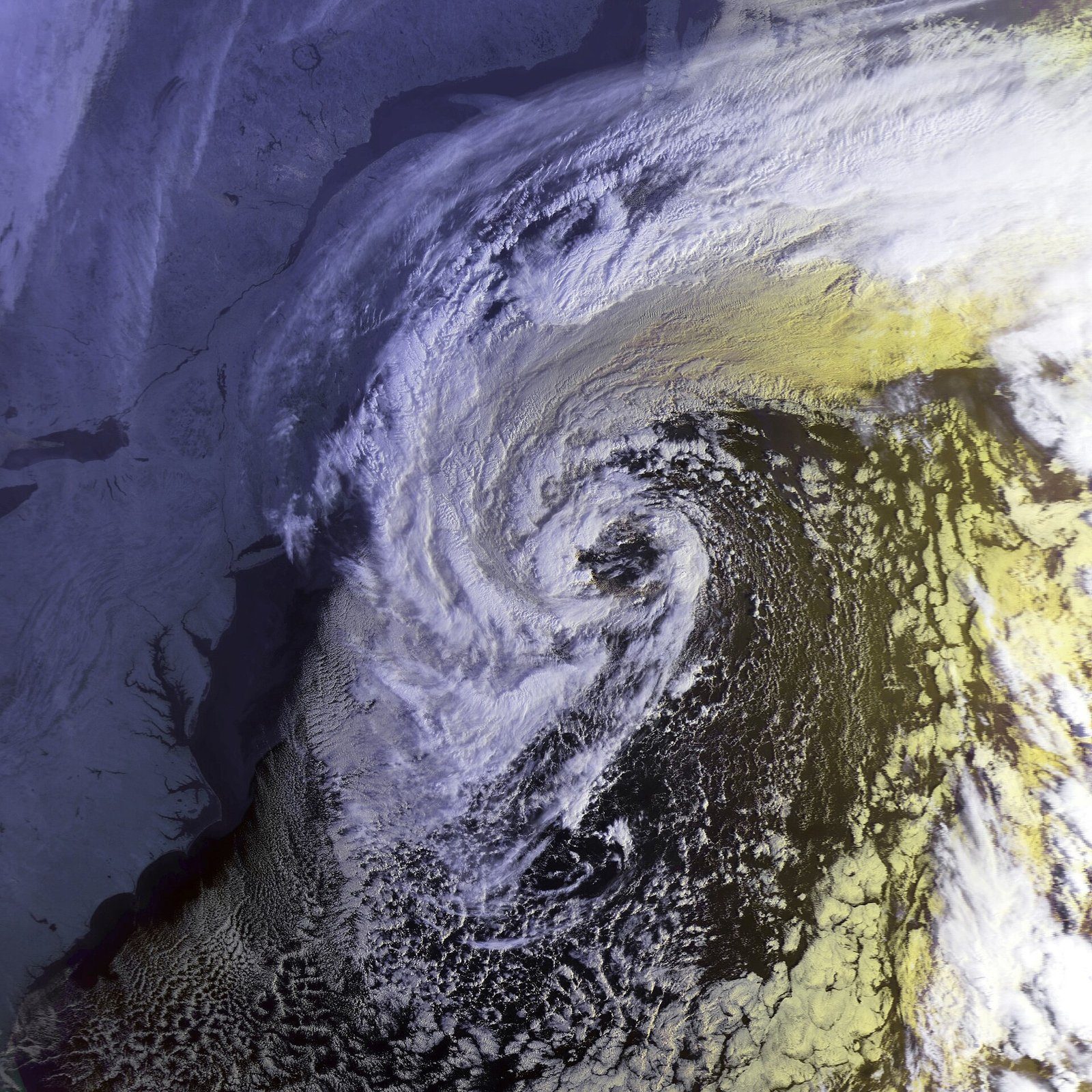
A nor'easter is a large storm that moves up the East Coast and brings strong winds out of the northeast to the coast. The storm itself usually travels from the south or southwest, up from the Carolinas toward New England, but as it spins counterclockwise off our coast, the wind along the Jersey Shore blows in from the northeast, straight off the Atlantic. The National Weather Service defines it simply as a big storm that brings northeasterly winds along the Atlantic coast.
Snow isn't required. A nor'easter can bring rain, snow, sleet, or all three, depending on the time of year and how cold the air is.
When they happen
Nor'easters can form any time of year, but they're most common from September through April. That's when the jet stream is strongest and the contrast is biggest between cold air over the land and the relatively warm water of the Atlantic and the Gulf Stream. That contrast is the fuel.
How they form
- Cold air settles over the Northeast, often pushed down from Canada by high pressure to our north.
- A storm develops near the Southeast coast or moves in from the Gulf, where the ocean is warmer and full of moisture.
- The jet stream steers it up the coast, and the clash between cold land and warm ocean helps it strengthen, sometimes very quickly.
- Winds wrap around the center, pulling ocean moisture back into the cold air over land. That's where the heavy snow comes from.
Why the track is everything
For New Jersey, a difference of 50 miles in where the storm's center passes can change the whole forecast.
- Center hugs the coast or moves inland: it drags milder ocean air in. The shore and the I-95 cities often get rain or a mix, while the snow stays in the northwest hills.
- Center passes just offshore: this is the classic snowstorm track. Cold air stays locked in, and the heaviest snow can fall right across the state.
- Center stays well out to sea: the storm brushes us. The shore gets wind and some snow or rain, and inland areas may get little or nothing.
Forecasters in the Northeast often talk about the “benchmark,” a spot in the ocean at 40°N, 70°W, southeast of Nantucket. Storms that pass near it have a long history of producing big snow for the I-95 corridor. It's a rule of thumb, not a guarantee, but you'll hear it a lot when a storm is a few days out.
What it means for the Jersey Shore
Even a nor'easter with no snow can be a big deal at the coast. Those northeast winds blow for hours or days across a long stretch of ocean and push water toward the shore. That brings:
- Coastal flooding, especially in the back bays and low-lying towns, and worst when the storm lines up with high tide (and worse still near a full or new moon, when tides run higher).
- Beach erosion, because the waves keep pounding through several tide cycles. A slow-moving nor'easter can do more damage to the beaches than a stronger but faster storm.
- Strong winds, which can bring down trees and power lines, especially when the ground is wet or the trees are loaded with snow.
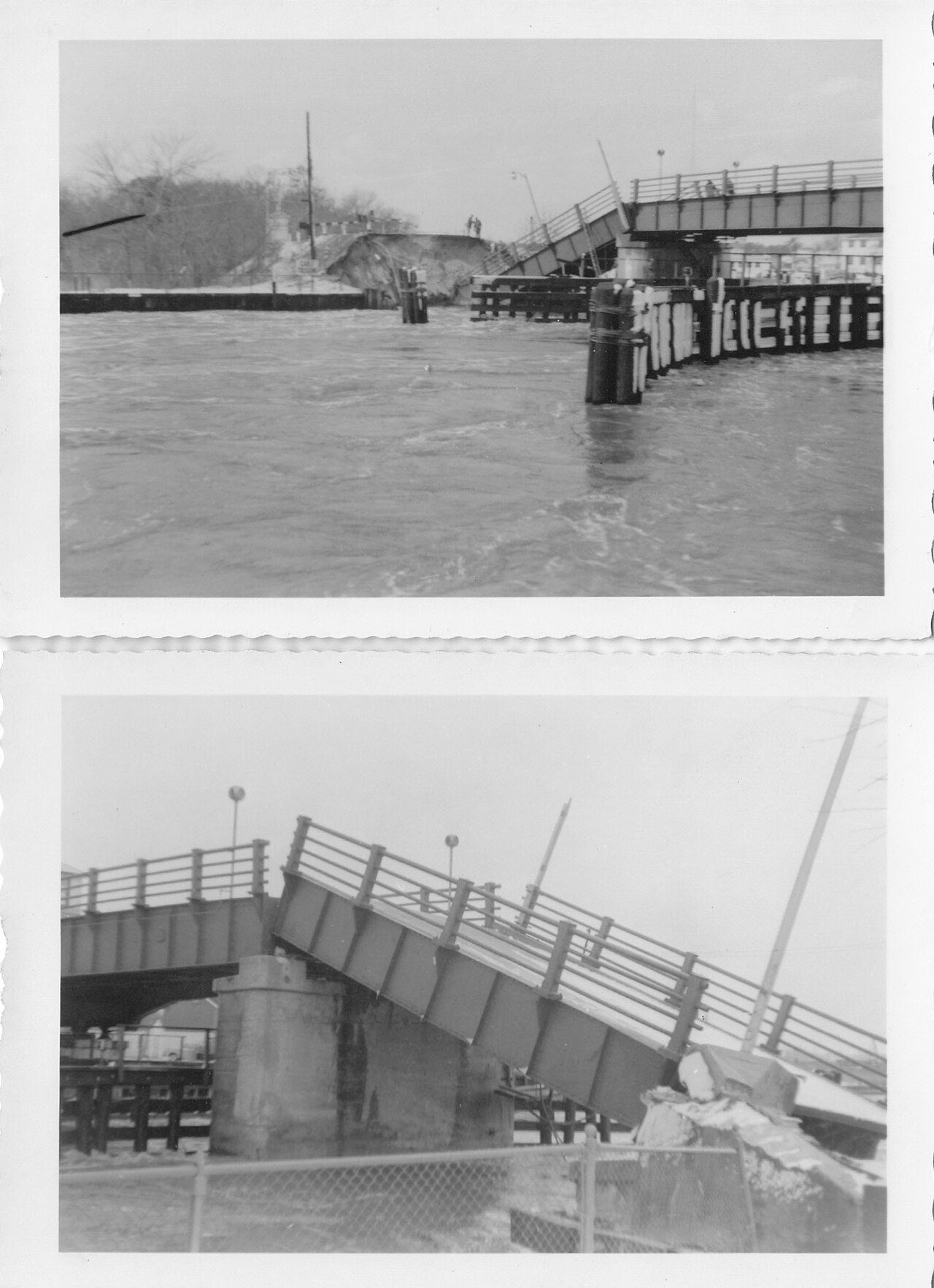
Some of the most damaging storms in Jersey Shore history were nor'easters, including the Ash Wednesday Storm of March 1962, which stalled off the coast through five high tides and reshaped parts of the coastline, and the Halloween storm of 1991 later made famous as “The Perfect Storm.”
How we cover them
When a nor'easter is on the way, we post snowfall maps showing who gets how much, and we update them as the track gets clearer. For the coast, we lean on the National Weather Service's coastal flood forecasts, and our alerts map shows any Coastal Flood Advisory or Warning in effect. Early forecasts can shift a lot, so the best advice is always the same: watch for updates as the storm gets closer.
- NOAA NESDIS: What is a nor'easter?
- NOAA SciJinks: What is a nor'easter?
- FOX Weather: the 40/70 benchmark and I-95 snow
- Ash Wednesday Storm of 1962 (five high tides)
For dangerous weather, always follow official National Weather Service warnings and your local emergency officials.