
Weather 101 / Safety
Turn Around, Don't Drown: Why Flooded Roads Are So Dangerous
The National Weather Service says more than half of flood drownings happen when a vehicle is driven into flood water, and it usually starts the same way: someone sees water across a road, figures it can't be that deep, and drives in. On a day like November 12, 2026, when Flash Flood Warnings covered parts of Monmouth, Burlington, Camden, Gloucester, Salem, Philadelphia and Queens, that decision played out on roads all over our area.
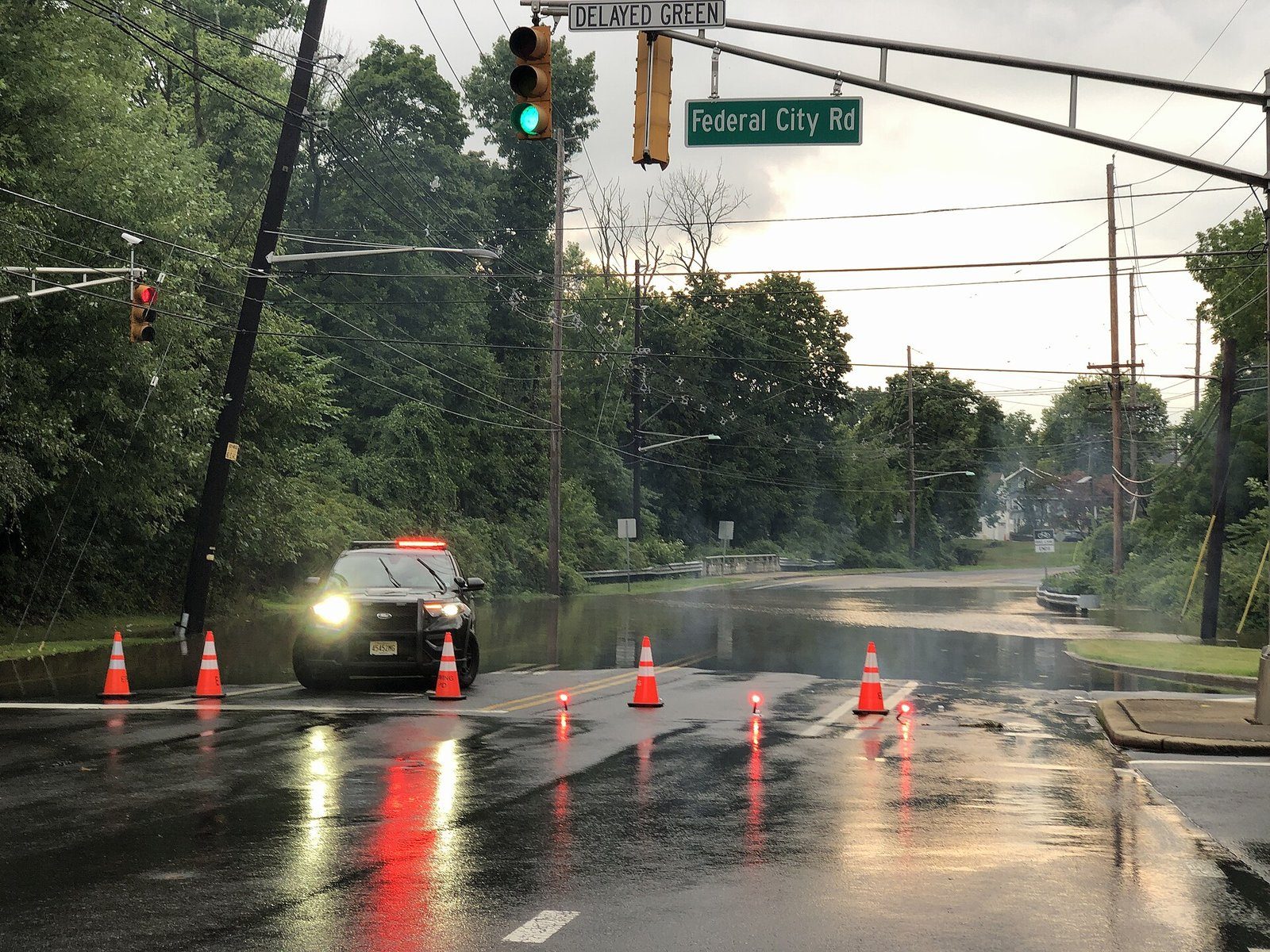
How little water it takes
The National Weather Service's numbers are worth remembering:
- About 6 inches of fast-moving water can knock an adult off their feet.
- About 12 inches of fast-moving water can carry away a small car.
- About 18 inches of flowing water can carry away most vehicles, including large SUVs.
Moving water pushes hard against anything in its way, and once a car starts to float, the tires lose their grip and the driver loses control. Worse, you can't tell how deep water is from behind the wheel, and you can't see whether the road underneath has washed away.
Why flash floods happen so fast here
New Jersey is the most densely populated state in the country, and a lot of it is paved. Roofs, parking lots and roads don't soak up rain, so when a thunderstorm drops an inch or two in an hour, the water runs straight into storm drains, streams and low spots. Small creeks can rise several feet in minutes, and underpasses and dips in the road fill first. That's why a flash flood can happen even when it's only been raining for a short time.
Advisory, watch or warning?
- Flood Advisory: minor flooding in the usual low spots and poor drainage areas. Be careful.
- Flash Flood Watch: heavy rain could cause flash flooding. Be ready to move to higher ground.
- Flash Flood Warning: flash flooding is happening or about to start. Act now: stay off flooded roads and move away from creeks and low areas.
When the National Weather Service issues a Flash Flood Warning for our area, we post a zoomed map of it automatically, with NOAA's radar estimate of how much rain has already fallen.
What to do
- Turn around, don't drown. If water covers the road, find another way, even if other cars are driving through.
- Be extra careful at night, when it's even harder to see water on the road.
- Never let kids play near flooded streams or storm drains.
- If your car stalls in rising water and you can get out safely, get out and move to higher ground.
- Keep checking the live alerts map during heavy rain.
- National Weather Service: Turn Around Don't Drown
- National Weather Service: flood safety
- NWS Flash Flood Warnings, Nov 12, 2026: NJ Weather Center archive
For dangerous weather, always follow official National Weather Service warnings and your local emergency officials.